Top Reasons to Try Candle-Making and Painting
- Andrea Thornton
- Mar 12
- 4 min read

Candle-making and painting are two creative hobbies that not only allow for self-expression but also provide a therapeutic escape from the daily grind. Whether you are looking to unwind after a long day or seeking a new skill to master, these activities offer a fulfilling experience. In this blog post, we will explore the top reasons to dive into the world of candle-making and painting, highlighting their benefits, techniques, and how you can get started.
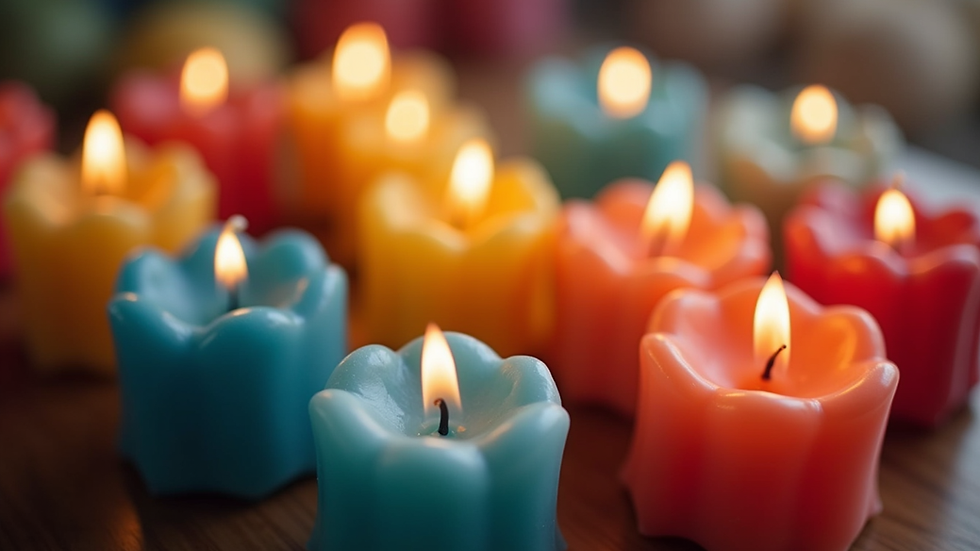
The Therapeutic Benefits of Candle-Making
Candle-making is more than just a craft; it is a form of therapy. Engaging in this activity can help reduce stress and promote relaxation. Here are some key benefits:
Mindfulness and Focus
Creating candles requires concentration and attention to detail. This focus can help clear your mind of distractions, allowing you to be present in the moment. The process of measuring, melting, and pouring wax can be meditative, providing a sense of calm.
Aromatherapy
When you make candles, you have the option to add essential oils or fragrances. This not only enhances the ambiance of your space but also offers aromatherapy benefits. Scents like lavender can promote relaxation, while citrus scents can uplift your mood.
Sense of Accomplishment
Completing a candle-making project gives you a tangible result to admire. Whether it’s a beautifully scented candle or a unique design, the sense of accomplishment can boost your self-esteem and motivate you to take on more creative challenges.
Exploring the Art of Painting
Painting is another wonderful outlet for creativity. It allows you to express your emotions and thoughts visually. Here’s why you should consider picking up a paintbrush:
Emotional Expression
Painting can be a powerful way to express feelings that may be difficult to articulate. Whether you are feeling joyful, sad, or contemplative, putting those emotions onto canvas can be cathartic.
Enhancing Creativity
Engaging in painting stimulates your imagination. It encourages you to think outside the box and explore new ideas. This creative thinking can spill over into other areas of your life, enhancing problem-solving skills.
Building Community
Joining a painting class or workshop can connect you with like-minded individuals. Sharing your work and receiving feedback fosters a sense of community and belonging, which can be incredibly rewarding.
Getting Started with Candle-Making
If you’re intrigued by the idea of candle-making, here’s a simple guide to help you get started:
Gather Your Supplies
To begin, you will need:
Wax (soy, beeswax, or paraffin)
Wicks
Fragrance oils (optional)
Dye (optional)
Containers or molds
Double boiler or microwave-safe container
Thermometer
Basic Steps
Melt the Wax: Use a double boiler to melt the wax until it reaches the appropriate temperature (usually around 170-180°F).
Add Fragrance and Color: If desired, add fragrance oils and dye to the melted wax.
Prepare the Wick: Secure the wick in the center of your container or mold.
Pour the Wax: Carefully pour the melted wax into the container, ensuring the wick remains centered.
Cool and Trim: Allow the candle to cool completely before trimming the wick to about 1/4 inch.
Experiment with Designs
Once you’ve mastered the basics, don’t hesitate to experiment with different shapes, colors, and scents. You can create layered candles, use molds for unique shapes, or even embed decorative elements like dried flowers.
Getting Started with Painting
If painting piques your interest, here’s how to embark on your artistic journey:
Gather Your Supplies
You will need:
Canvas or watercolor paper
Paints (acrylic, watercolor, or oil)
Brushes of various sizes
Palette for mixing colors
Easel (optional)
Basic Steps
Choose Your Subject: Decide what you want to paint. It could be a landscape, still life, or abstract piece.
Sketch Your Design: Lightly sketch your design on the canvas to guide your painting.
Start Painting: Begin with the background and work your way to the foreground. Layer colors to create depth.
Add Details: Use smaller brushes to add intricate details and highlights.
Finish and Display: Once your painting is dry, consider framing it or displaying it in your home.
Explore Different Techniques
Don’t be afraid to try various painting techniques, such as:
Watercolor washes for soft backgrounds
Impasto for texture
Acrylic pouring for abstract designs
Combining Candle-Making and Painting
One of the most exciting aspects of these hobbies is how they can complement each other. Imagine creating a beautifully painted candle holder or designing a candle that matches the colors of your latest painting. Here are some ideas to merge these two crafts:
Themed Projects
Create a themed project where your candles and paintings share a common color palette or subject. For instance, if you paint a sunset, you can make candles in warm hues of orange, pink, and yellow.
Gifts and Decor
Handmade candles and paintings make thoughtful gifts. Consider creating a set where you paint a canvas and pair it with a matching candle. This personal touch can make your gifts stand out.
Workshops and Classes
Look for local workshops that combine both candle-making and painting. These classes can provide a fun, social atmosphere while allowing you to explore both crafts.
Conclusion
Candle-making and painting are not just hobbies; they are avenues for creativity, relaxation, and personal growth. Whether you choose to create calming candles or vibrant paintings, both activities offer a chance to express yourself and unwind. So why not give them a try? Gather your supplies, set aside some time, and immerse yourself in the joy of creating. You might just discover a new passion that enriches your life in unexpected ways.


Comments